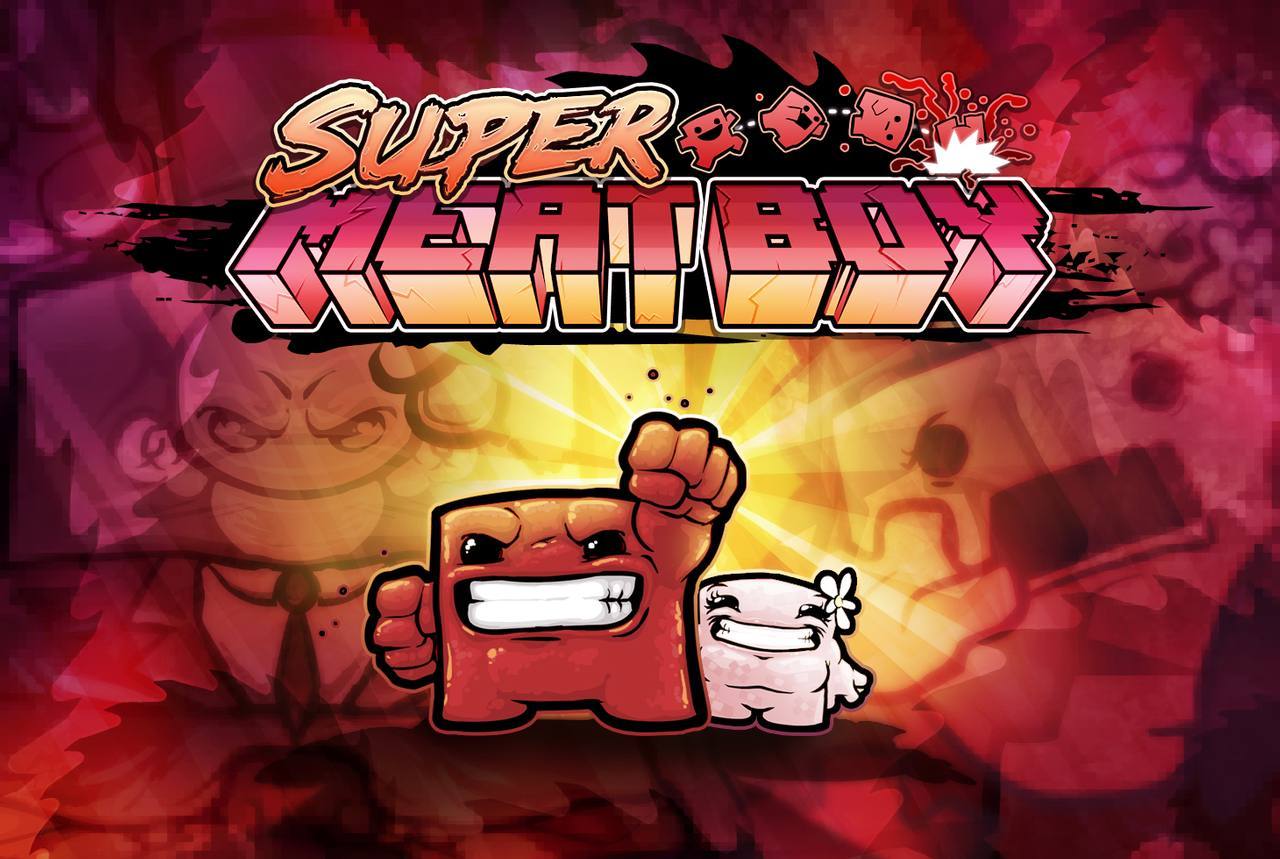
2010 marked the start of the Indie revolution. With games such as super meat boy by team meat, Fez by Phil fish, Braid by Jonathan Blow and the ever-growing Minecraft by Mojang. These Independent video game developers helped kick start this now prominent movement of video games, now known as Indie games. Because of the success of these indie games, it has opened this new genre of video games which have shown to gamers, how a game made and financed by one guy can be just as, if not more compelling than a game created by whole teams of developers and cost millions of dollars to make.



The reason why indie games are important to a lot of gamers today is the same reason why most triple A games have been boring us for a while now. Because the big game companies are in this industry for the money, they make games that they know will make them money, which means that they will either copy and paste previously successful games or make a sequel/prequel to another game. For the past years in gaming history, these big video game companies have avoided taking risks when making their game in fear of losing money. Which has been causing some games in general to be bland and uninteresting, since these video games might be only slightly varied (not saying they all were).
The call of Duty series for example


2003-2014
11 years of slight improvements, but still the same game in general
Whole story behind this debate seemed to have initially come from an indie title named Dear Esther by the Chinese room. Dear Esther is a first person game that takes place on an island, with the help of the narrator and notes scattered throughout the island, you slowly find out the story behind this place.
The reason why "Dear Esther" has brought up this debate is because of this game's experimental approach to a story based game.

But the problem that people have with this game is caused by the fact that it is an experimental game. That Dear Esther is solely focused on storytelling, whereas In terms of Game mechanics, well... there really isn't any, except for moving around but that's about it. This lack of Game mechanics has caused some people to say it's a bad game or not a game at all and other people to say game mechanics should not be that important to a game.

Lacking game mechanics (moving and picking up items only)

normal amount of game mechanics (moving, shooting, jumping, mini-map, health, etc)
If it is defined as a video game then that give's reviewers and critics the ability to rip into a game like this and basically show how much of a terrible game this is just because it lacks Interaction. The people who do not see it as a game would say that dear Esther is more of a book rather than a video game because it's as interactive as a book since your interaction is limited to pressing the W key(moving forward), the same way how a book's interaction is limited to turning a page.
Recently two other indie games that I have been able to play have also been affected by this debate because they too have the same experimental first person experience. These games are Gone Home by The Fullbright Company and The Stanley Parable by Galactic Cafe.

Gone Home is similar to Dear Esther in that you play a girl named Kaitlin Greenbriar who's just come back home from a trip, but no one else is home. The game starts as you explore the house for any clues of where your family is and basically what has happened.
My opinions of this game
Both its story and story telling are amazing. How it uses the player to tell the story through exploration rather than most other stories where the medium would tell you a story by itself. Without spoiling it too much, the story in gone home focuses on your sister Samantha which addresses a very big topic during the time period of this game as well as an issue that is still apparent today. The game takes advantage of this experimental first person experience because as well as the main story, there are also my sub-plots related to each of Kaitlin's parents and the house's history. These sub-plot's are created through other objects you may find in the house, which exist because the game uses the player as previously stated.

It might seem lazy on my part but I feel that The Stanley parable is best explained by the narrator himself in the game's trailer.
My opinions of this game
As a whole the game doesn't have a traditional linear story, there is the explanation that your a guy named Stanley who works at computer all day, pushing buttons when told to. But even after playing the game several times I've even questioned if that is true or not. Unlike Gone home or Dear Esther, The Stanley parable is not about exploring and uncovering the story of a place. At various points in the game you will have the choice of walking down one path or walking down another, most people would see it as a chose your own story kind of game because it has many branching stories within it. I my opinion, I think that The Stanley parable is the kind of game that requires the player to replay it to get the full experience of all the endings.
From the trailer it is apparent that the game will break the fourth wall a lot. This can be seen a lot between you and the narrator. For example: if you ignore the choices that the narrator recommends Stanley(you) to make, then you will end up in an "unfinished" part of the game that he did not want to show you.

the unfinished portion of the game
Because of how Unique this game is, I've thought that The Stanley Parable is more of a game that plays with you rather than being a game that you play, because as you go through each branching story, instead of answering questions that you may have, they will probably create even MORE questions for the player.
It plays around a lot with the idea of control which is one thing that it has you question a lot. If whether or not the choices we make are significant, If this is a story about Stanley or The narrator or maybe even you (the person controlling Stanley) and If just because we can make a choice does it mean we have the freedom of choice.
Formalism
The idea of formalism in video games with games like Gone Home Dear Esther and The Stanley Parable is the same issue as formalism in music when rock/metal bands started to appear and weren't though of as music to most people just because they enjoyed other genre's of music. Whether it be games, books, movies, etc the definitions should not have rules to follow but should be broadening.
"grace is the substance that formalism can't observe"
-Ryan Green
"Grace is when the two sides of the equation don't match but the thing works anyway"
-Jonas Kyratzes


